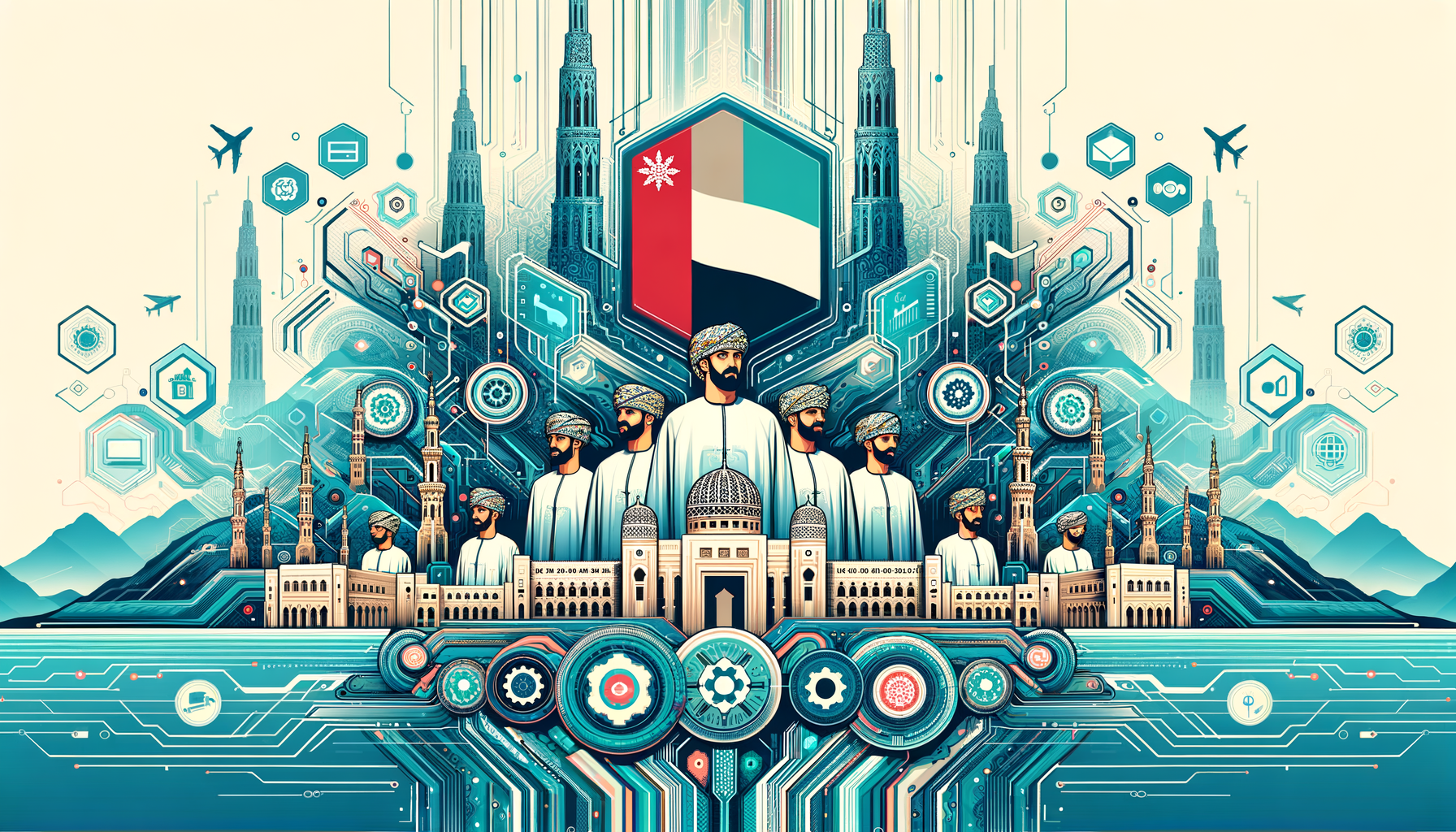
Introduction to Tahawul Oman
In recent years, Oman has embarked on an ambitious journey to digitize its public services, encapsulated in the Tahawul digital transformation program. This initiative is a cornerstone of Oman Vision 2040, which aims to create a thriving knowledge-based economy. In this context, Tahawul Oman seeks to enhance government efficiency, improve public service delivery, and stimulate economic growth through advanced digital frameworks.
The ICT market in Oman is poised for significant growth, projected to reach USD 5.96 billion by 2025 and expand further to USD 9.75 billion by 2031 with a compound annual growth rate (CAGR) of 8.73%. The strategic implementation of Tahawul Oman is a key driver in this expansion, as it fosters a conducive environment for technological innovation and public sector modernization.
Central to this transformation is the government’s focus on increasing Omanisation within the ICT sector, currently standing at 62%. However, a critical skills gap remains in areas such as artificial intelligence, cybersecurity, and data engineering, posing both a challenge and an opportunity for the nation’s digital agenda.
The Role of Vision 2040 in Shaping Digital Transformation
Oman Vision 2040 serves as the blueprint for the country’s socio-economic development, emphasizing sustainable growth through diversification and innovation. The Tahawul program aligns with this vision by prioritizing digital transformation as a vehicle for achieving national objectives. The vision outlines strategic goals to enhance the quality of life for citizens, increase government efficiency, and diversify the economy away from oil dependency.
A pivotal aspect of Vision 2040 is fostering a robust digital infrastructure that supports seamless integration across government departments. This initiative not only aims to streamline bureaucratic processes but also to enhance transparency and accountability in public service delivery. By leveraging cutting-edge technologies, the government aspires to deliver citizen-centric services that are accessible, efficient, and secure.
The synergy between Vision 2040 and Tahawul Oman underscores the nation’s commitment to leveraging digital tools and platforms to drive economic and social advancement. This strategic alignment is expected to catalyze further investments in the ICT sector, thereby accelerating the country’s digital transformation journey.
Challenges and Opportunities in Oman’s ICT Landscape
The successful implementation of Tahawul Oman hinges on overcoming several challenges inherent in the country’s ICT landscape. One of the foremost challenges is the prevailing skills gap, particularly in emerging technologies such as AI, cybersecurity, and data science. Addressing this gap is critical to ensuring that the workforce is equipped to support and sustain the digital transformation initiatives outlined in the national agenda.
Moreover, the rapid pace of technological advancement necessitates ongoing investment in digital infrastructure and cybersecurity measures. As the demand for digital services grows, so does the need for robust security protocols to protect sensitive government data and ensure the privacy of citizens. The government’s commitment to enhancing cybersecurity capabilities is evident in its efforts to build a resilient digital ecosystem that can withstand emerging threats.
Despite these challenges, the ICT sector in Oman presents a plethora of opportunities for growth and innovation. The increasing number of registered ICT companies, currently standing at 6,828, reflects the sector’s vibrancy and potential. By fostering partnerships between public and private entities, Oman can harness this potential to drive technological advancements and economic diversification.
The Impact of Digital Services on Government Efficiency
The implementation of digital services under the Tahawul program is poised to transform government operations and service delivery. By digitizing public sector processes, the government aims to reduce operational costs, enhance service efficiency, and improve citizen satisfaction. This transformation is particularly significant in areas such as healthcare, education, and public administration, where digital solutions can streamline service delivery and improve outcomes.
Digital services also play a crucial role in enhancing government transparency and accountability. By providing citizens with easy access to information and services, the government can foster greater trust and engagement with the public. The implementation of e-governance platforms, for instance, enables citizens to access a wide range of services online, reducing the need for in-person interactions and minimizing bureaucratic red tape.
Furthermore, the integration of advanced technologies such as AI and data analytics into government operations can significantly enhance decision-making processes. By leveraging data-driven insights, policymakers can make informed decisions that improve service delivery and address the evolving needs of citizens.
Envisioning the Future of Government Digital Services in Oman
Looking ahead, the future of government digital services in Oman is bright, with the Tahawul program serving as a catalyst for continued innovation and transformation. As the nation progresses towards achieving the goals outlined in Vision 2040, the focus will increasingly be on fostering a culture of innovation and collaboration across all sectors of the economy.
Key to this future will be the development of a skilled and capable workforce that can drive the nation’s digital agenda forward. By investing in education and training programs, Oman can bridge the skills gap and empower its citizens to thrive in a digital economy. Additionally, fostering strong partnerships between government, industry, and academia will be essential in nurturing a dynamic ICT ecosystem.
Ultimately, the success of Tahawul Oman in transforming government digital services will depend on the collective efforts of all stakeholders, including citizens, businesses, and policymakers. By working together towards a common vision, Oman can create a sustainable and prosperous future that benefits all members of society.
The journey towards digital transformation is an ongoing process that requires adaptability, resilience, and a commitment to continuous improvement. As Oman continues to navigate this journey, the lessons learned and successes achieved will serve as a model for other nations seeking to harness the power of digital technologies for national development. The call to action is clear: embrace innovation, invest in people, and collaborate for a brighter digital future.