The Evolution of Edge Computing in IoT
As we step into 2026, the landscape of technology continues to evolve at a breakneck pace, with edge computing emerging as a pivotal force in the integration of IoT systems. Edge computing, which processes data at the periphery of the network rather than relying solely on centralized cloud servers, offers a transformative approach to handling the vast volumes of data generated by IoT devices. This shift is driven by the need for real-time data processing and heightened efficiency, addressing the latency and bandwidth challenges that have traditionally hampered the efficacy of IoT deployments.
The demand for instantaneous data processing has never been higher, especially as industries ranging from healthcare to manufacturing integrate IoT solutions to enhance operational efficiencies. By processing data closer to the source, edge computing reduces the latency that plagues traditional cloud computing models. This results in faster decision-making processes critical for applications such as autonomous vehicles and smart grid systems, where milliseconds can mean the difference between success and catastrophic failure. According to recent industry reports, the adoption of edge computing within IoT ecosystems is projected to grow exponentially, with market valuations expected to exceed $60 billion by 2028.
Moreover, edge computing’s decentralized architecture provides a robust framework for enhancing data privacy and security. In an era where data breaches are increasingly common, the ability to localize data processing and minimize the transmission of sensitive information across networks is a significant advantage. As organizations grapple with stringent data protection regulations, edge computing offers a viable pathway to compliance, ensuring that sensitive data remains within localized nodes rather than being exposed to potential vulnerabilities associated with cloud-based storage.
Integrating Edge Computing with IoT Devices
The integration of edge computing with IoT devices represents a paradigm shift in how data is collected, processed, and utilized. Traditionally, IoT devices would transmit data to a central server for processing, a model that often resulted in bottlenecks and delays. By leveraging edge computing, data can be processed at or near the source, enabling real-time analytics and decision-making capabilities that were previously unattainable.
This integration is particularly transformative for industries that rely on rapid data processing and analysis. For instance, in healthcare, edge computing facilitates real-time monitoring of patient vitals through smart medical devices, allowing for immediate intervention and personalized treatment plans. Similarly, in the industrial sector, edge computing enables predictive maintenance of machinery, reducing downtime and enhancing productivity by allowing systems to foresee and address potential failures before they occur.
Furthermore, the synergy between edge computing and IoT devices is bolstered by advancements in hardware and software technologies. The development of more powerful microprocessors and energy-efficient sensors has enabled the deployment of sophisticated edge systems capable of handling complex computational tasks. Concurrently, advancements in machine learning algorithms allow these systems to continuously learn and adapt to new data inputs, enhancing their predictive capabilities and overall efficiency.
Overcoming Challenges in Edge Computing IoT Integration
Despite its numerous advantages, the integration of edge computing in IoT systems is not without challenges. One of the primary hurdles is the need for a robust network infrastructure that can support the decentralized nature of edge computing. This requires significant investment in both hardware and network capabilities, as well as the development of new protocols to ensure seamless communication between edge devices and central systems.
Additionally, the management of distributed computing resources presents a complex undertaking. Coordinating the data processing activities of numerous edge devices requires sophisticated orchestration tools and platforms that can ensure data consistency and integrity. This is further complicated by the heterogeneity of IoT devices, which often feature varying communication standards and data formats. To address these challenges, industry leaders are investing in the development of standardized frameworks and middleware solutions that can facilitate interoperability and streamline the integration process.
Security remains another critical concern, as the decentralized nature of edge computing expands the attack surface, increasing the potential for cyber threats. Protecting edge devices from unauthorized access and data breaches requires a multi-faceted approach, incorporating advanced encryption techniques, secure boot mechanisms, and continuous monitoring for anomalies. As the threat landscape continues to evolve, the development of robust security protocols will be paramount in ensuring the safe and reliable operation of edge-enabled IoT systems.
The Future of Edge Computing in IoT Integration
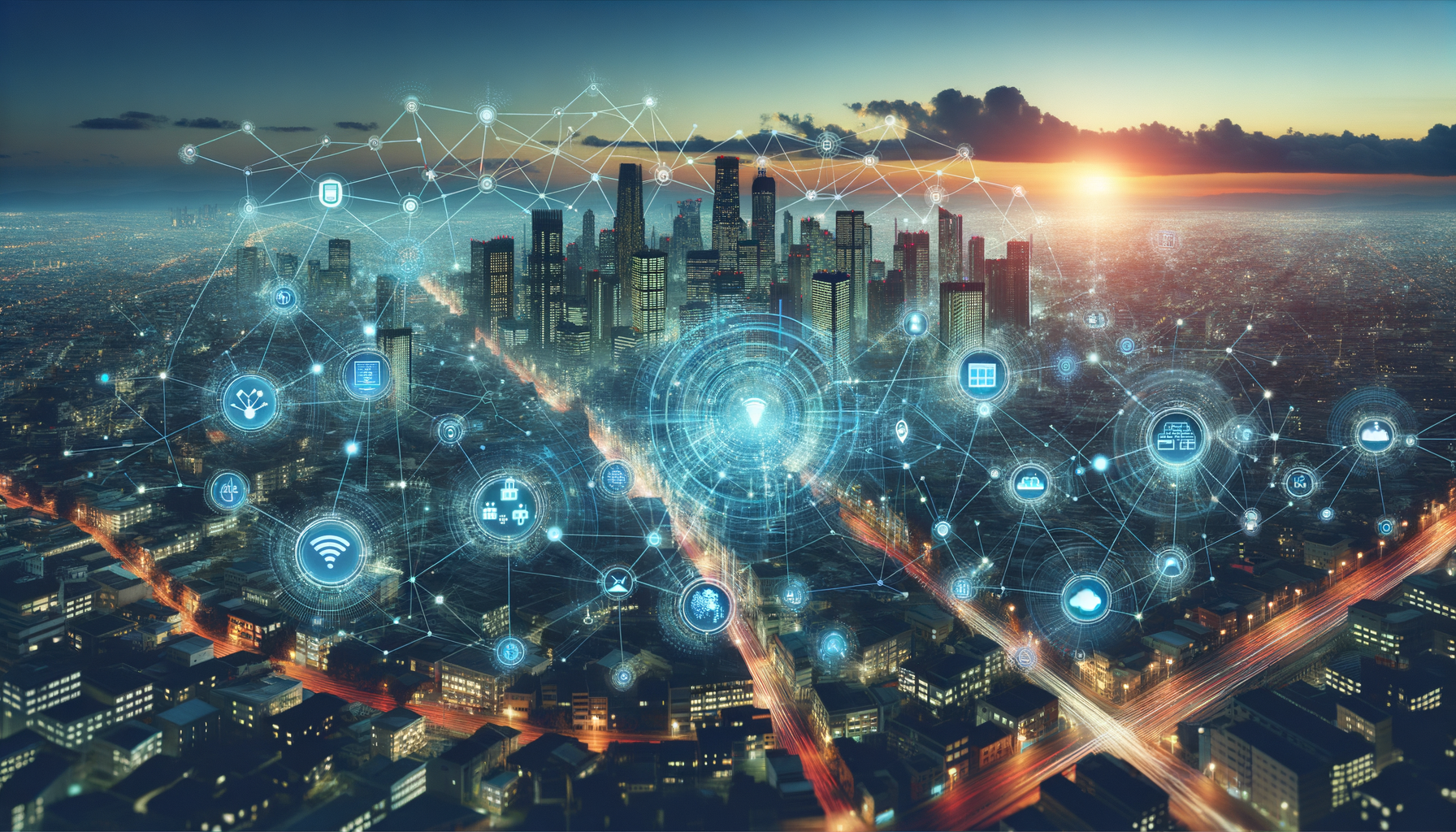
Looking forward, the integration of edge computing in IoT systems is poised to unlock unprecedented opportunities for innovation and growth. As industries continue to digitize and automate their operations, the ability to process data in real-time and at scale will be crucial in maintaining a competitive edge. Edge computing’s role in enabling smart cities is particularly noteworthy, as urban centers worldwide seek to enhance their infrastructure and services through the deployment of IoT technologies.
Furthermore, the convergence of edge computing with other emerging technologies such as 5G and artificial intelligence is set to amplify its impact. The ultra-low latency and high bandwidth capabilities of 5G networks will further enhance the performance of edge systems, enabling a new wave of applications that demand real-time processing and responsiveness. Meanwhile, the integration of AI at the edge will enable more sophisticated data analysis and decision-making, driving efficiencies across a multitude of sectors.
In conclusion, as we navigate the complexities of a rapidly digitizing world, edge computing stands out as a critical enabler of IoT integration. Its ability to deliver real-time data processing, enhance security, and reduce latency offers a compelling value proposition for organizations seeking to harness the full potential of IoT technologies. As the field continues to evolve, businesses and technology leaders must remain agile, embracing the opportunities and addressing the challenges that come with this transformative shift.