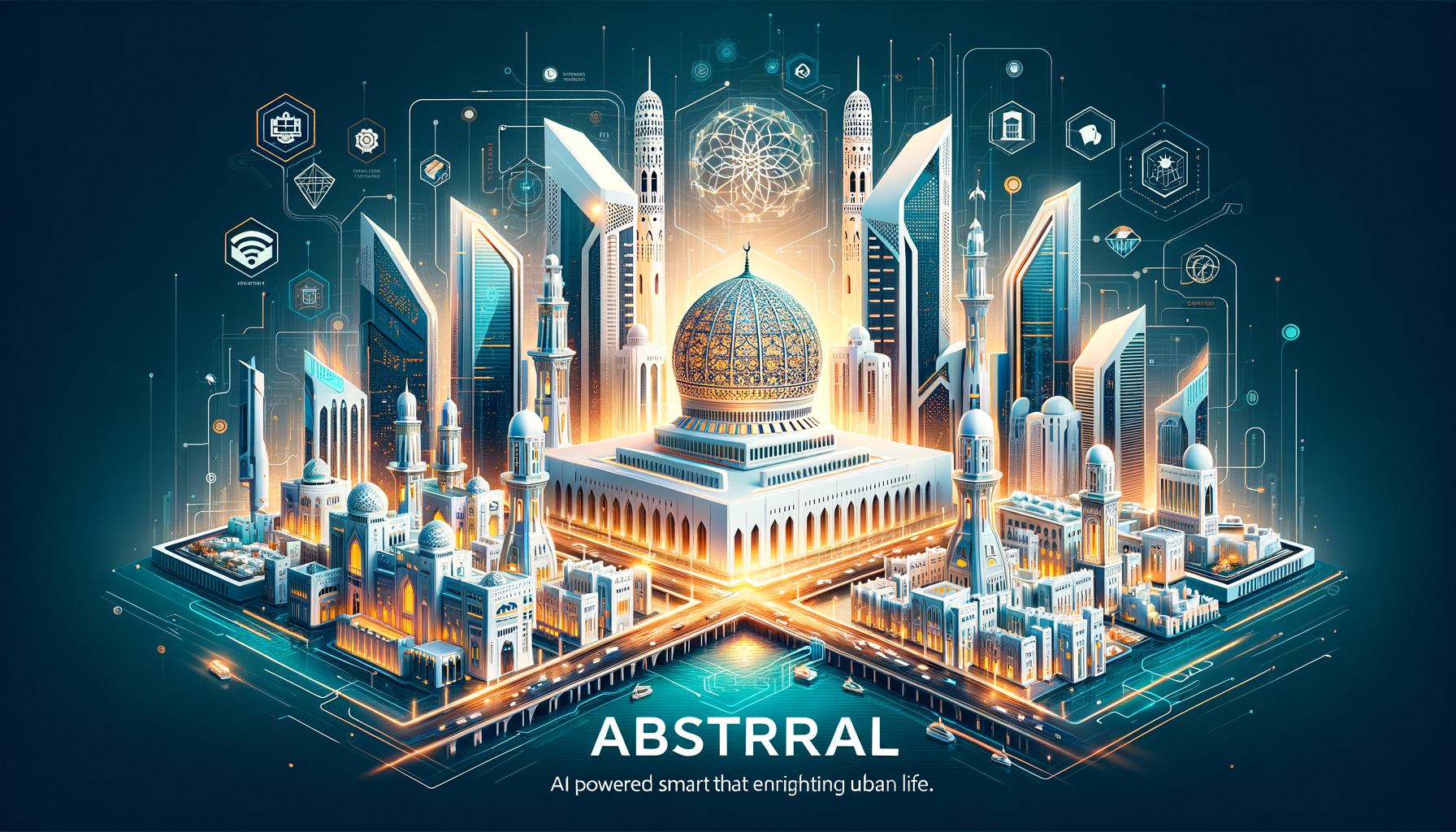
Introduction to AI-Powered Smart City Initiatives in Muscat
Muscat, the capital of Oman, is on the cusp of a digital revolution, driven by AI-powered smart city initiatives that are part of a broader national strategy. This transformation is intricately linked to Oman Vision 2040 and the Oman National Programme for AI, which aims to position the Sultanate as a leader in technological innovation. With a strategic focus on creating 30,000 AI-related jobs and generating a $5 billion economic impact by 2030, Muscat’s smart city initiatives are a cornerstone of the country’s digital transformation agenda.
The Ministry of Transport and Communications is spearheading these efforts, aligning with regional goals such as the Oman Digital Triangle Initiative. This program envisions the establishment of three interconnected digital zones, fostering a robust ecosystem for innovation. The integration of AI technologies into urban planning and infrastructure is not just a vision for the future; it is a tangible reality that is reshaping the way Muscat operates, enhancing the quality of life for its residents and setting a benchmark for other cities in the Gulf Cooperation Council (GCC).
Embedded within these initiatives is a commitment to sustainable development, a key pillar of Vision 2040. By leveraging AI and other advanced technologies, Muscat aims to create a smart city environment that is economically viable, environmentally sustainable, and socially inclusive. This aligns with global smart city trends, yet uniquely incorporates Oman’s cultural and economic context, ensuring that the benefits of digital transformation are felt across all sectors of society.
Harnessing AI for Urban Development
Central to Muscat’s smart city strategy is the deployment of AI technologies to enhance urban development. AI is being used to optimize traffic management, reducing congestion and improving air quality. By analyzing real-time data from sensors and cameras installed across the city, AI systems can predict traffic patterns and suggest alternative routes to drivers, thereby minimizing delays and fuel consumption.
In the realm of public safety, AI is playing a pivotal role in monitoring and responding to incidents more efficiently. Surveillance systems powered by AI can detect unusual activities and alert authorities in real-time, ensuring a swift response to potential threats. This not only enhances security but also fosters a sense of safety among residents, contributing to the overall appeal of Muscat as a modern and secure urban environment.
Furthermore, AI is transforming the management of essential utilities such as water and electricity. By employing predictive analytics and machine learning algorithms, utility providers can optimize resource distribution, minimize wastage, and ensure a reliable supply of services. This is particularly important in a region where resources are precious and sustainability is a priority.
Economic and Social Impacts
The economic impact of Muscat’s AI-powered smart city initiatives is expected to be profound. By creating a conducive environment for innovation and entrepreneurship, these initiatives are attracting investment and fostering the growth of new industries. The focus on AI and digital technologies is creating high-value jobs, contributing to workforce development, and enhancing the skills of Oman’s youth, who are the driving force of the country’s future economic success.
Socially, the smart city initiatives are designed to improve the quality of life for all residents. From smart healthcare systems that provide personalized and efficient care, to educational platforms that offer enhanced learning experiences, the integration of AI into everyday life is making a tangible difference. These advancements are essential for achieving the social objectives outlined in Vision 2040, which emphasizes the importance of human development and societal well-being.
The smart city model also promotes inclusivity and accessibility, ensuring that all segments of society, including those with disabilities, can benefit from technological advancements. By addressing social challenges through innovative solutions, Muscat is setting a precedent for other cities in the region and beyond.
Policy and Regulatory Frameworks
The successful implementation of AI-powered smart city initiatives in Muscat requires a robust policy and regulatory framework. The Omani government has been proactive in establishing guidelines that support innovation while ensuring data privacy and security. The Tahawul digital transformation program is a key component of this framework, providing a roadmap for the integration of digital technologies across various sectors.
Regulations are designed to promote collaboration between public and private entities, encouraging partnerships that drive technological advancement. By creating an environment conducive to research and development, the government is facilitating the growth of a vibrant tech ecosystem that can sustain long-term economic development.
Moreover, these frameworks are aligned with international standards, ensuring that Oman’s smart city initiatives are competitive on a global scale. This alignment not only enhances the credibility of Muscat’s digital transformation efforts but also attracts foreign investment, further boosting the city’s economic prospects.
The Future of Smart Cities in Oman
As Muscat continues to evolve into a fully-fledged smart city, the implications for Oman are significant. The lessons learned and successes achieved in the capital can be replicated across other cities in the Sultanate, accelerating the country’s digital transformation journey. By fostering a culture of innovation and embracing cutting-edge technologies, Oman is positioning itself as a leader in the Middle East’s digital economy.
Looking ahead, the focus will be on expanding the scope of smart city initiatives to include emerging technologies such as 5G, the Internet of Things (IoT), and blockchain. These technologies hold the potential to further enhance connectivity, security, and efficiency, creating an even more dynamic urban landscape.
The journey towards becoming a smart city is a continuous process, one that requires collaboration and commitment from all stakeholders. By maintaining momentum and staying true to the principles outlined in Vision 2040, Muscat is not only transforming itself but also setting the stage for a brighter, more sustainable future for Oman and the entire GCC region.