AI as a Catalyst for Muscat’s Urban Evolution
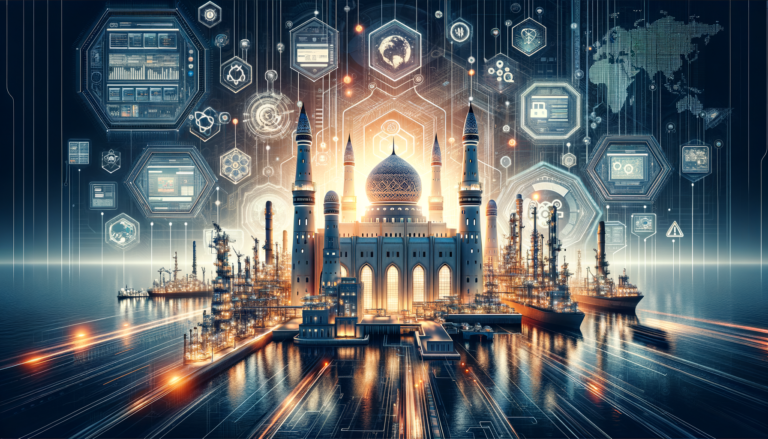
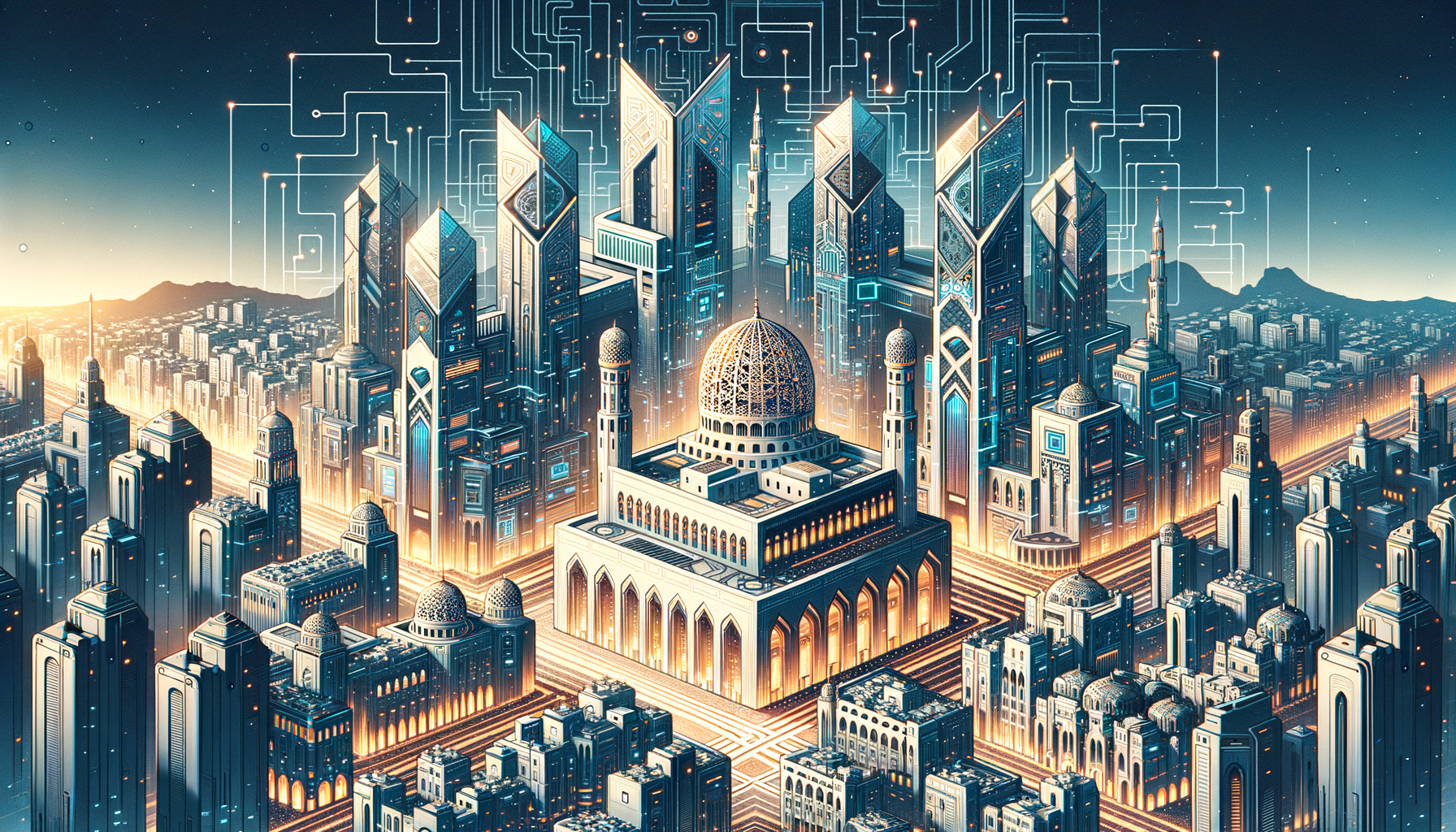
In the heart of Oman, Muscat is steadily transforming into a beacon of futuristic urban planning. The city’s ambitious initiatives are rooted in the broader framework of Oman Vision 2040, which envisions the nation as a leader in sustainable development and digital innovation. Central to this transformative journey is the integration of artificial intelligence (AI), which acts as a catalyst for enhancing urban living and economic development in the region.
The Oman National Programme for AI, running through 2026, underscores the country’s commitment to embedding AI across various sectors. With projections to create 30,000 AI-driven jobs and contribute a staggering $5 billion to the economy by 2030, the Ministry of Transport’s objectives align with regional aspirations of technological supremacy. Muscat, as the capital, serves as a pivotal ground for these initiatives, leveraging AI to optimize urban services, enhance public safety, and improve citizen engagement.
The integration of AI into Muscat’s infrastructure is not merely about technological advancement but also about fostering a holistic approach to urban challenges. By deploying AI-powered solutions, the city aims to address issues related to traffic congestion, energy consumption, and environmental sustainability. This aligns with the global shift towards smart cities, where technology is harnessed to create more livable, efficient, and environmentally friendly urban spaces.
Furthermore, Muscat’s smart city initiatives are designed to complement the Tahawul digital transformation program, which seeks to digitize public services and enhance government efficiency. By incorporating AI into these efforts, Muscat is positioning itself as a leader in digital governance, setting a benchmark for other cities in the Gulf Cooperation Council (GCC) region.
The Role of AI in Enhancing Urban Services
AI’s role in Muscat’s smart city transformation is multifaceted, impacting various dimensions of urban life. One of the primary applications of AI is in the realm of transportation, where intelligent systems are being developed to optimize traffic flow and reduce congestion. These systems analyze real-time data from traffic cameras, sensors, and GPS devices to make predictive adjustments to traffic signals and public transport schedules, ensuring smoother commutes for residents.
In addition to transportation, AI is being leveraged to improve energy efficiency and sustainability within Muscat. Smart grids equipped with AI technology provide real-time monitoring and management of energy consumption, allowing for more efficient distribution and reduced wastage. This not only helps in lowering the city’s carbon footprint but also aligns with Oman’s broader environmental goals under Vision 2040.
AI is also playing a crucial role in enhancing public safety and security. Advanced surveillance systems powered by AI are being deployed across Muscat to monitor public spaces and detect potential threats in real-time. These systems utilize machine learning algorithms to identify unusual patterns and alert authorities, thereby enhancing the city’s ability to respond swiftly to emergencies.
Moreover, AI is being used to improve healthcare services within the city. AI-driven analytics tools are aiding healthcare providers in predicting disease outbreaks, optimizing resource allocation, and personalizing patient care. This integration of AI into healthcare not only improves the quality of services but also ensures better health outcomes for Muscat’s residents.
The Economic and Social Impacts of AI Integration
The economic implications of AI integration into Muscat’s urban fabric are profound. By fostering innovation and creating new employment opportunities, AI is driving economic growth and diversification in Oman. The focus on AI-driven job creation is particularly significant in a region where youth unemployment remains a critical challenge. By equipping the younger generation with AI skills, Oman is preparing its workforce for the demands of a digital economy.
Socially, the integration of AI into Muscat’s smart city initiatives is enhancing the quality of life for its residents. By improving urban services and infrastructure, AI is contributing to a more connected and cohesive community. The emphasis on citizen engagement through digital platforms is empowering individuals to participate actively in the city’s development, fostering a sense of ownership and belonging.
Furthermore, the economic benefits of AI extend beyond job creation and economic growth. By attracting international investments and fostering innovation, Muscat is positioning itself as a hub for technological development in the GCC. This not only boosts the local economy but also enhances the city’s global competitiveness, making it an attractive destination for businesses and investors looking to tap into the region’s burgeoning tech market.
The integration of AI into Muscat’s urban landscape is not without its challenges. Ethical considerations, data privacy, and the need for robust regulatory frameworks are critical issues that need to be addressed to ensure the responsible use of AI. Oman’s government is proactive in this regard, developing policies and regulations that safeguard citizens’ rights while promoting innovation.
Embedding a Culture of Innovation and Sustainability
One of the most significant aspects of Muscat’s smart city initiatives is the emphasis on embedding a culture of innovation and sustainability. By fostering a mindset that values creativity, experimentation, and problem-solving, Muscat is nurturing a generation of innovators who are poised to drive the city’s future growth.
The Oman Digital Triangle Initiative, which aims to create three connected digital zones, is a testament to the city’s commitment to fostering innovation. These zones are designed to serve as incubators for startups and tech companies, providing them with the resources and support needed to develop cutting-edge solutions. By attracting talent and fostering collaboration, these digital zones are playing a crucial role in shaping Muscat’s innovation ecosystem.
Sustainability is also a core component of Muscat’s smart city vision. By integrating AI into environmental management systems, the city is taking proactive steps to address climate change and promote sustainable development. This includes initiatives aimed at reducing energy consumption, minimizing waste, and enhancing the city’s resilience to environmental challenges.
The focus on sustainability is not only about preserving the environment but also about ensuring long-term economic viability. By adopting sustainable practices, Muscat is reducing its reliance on non-renewable resources and paving the way for a more sustainable future. This aligns with Oman Vision 2040, which emphasizes the importance of balancing economic growth with environmental stewardship.
In conclusion, Muscat’s AI-powered smart city initiatives are a testament to the city’s commitment to innovation, sustainability, and economic development. By harnessing the power of AI, Muscat is not only transforming its urban landscape but also setting a benchmark for other cities in the GCC. As the city continues to evolve, it remains focused on its vision of becoming a leading smart city in the region, driving economic growth and enhancing the quality of life for its residents. For businesses and investors, Muscat’s transformation offers a wealth of opportunities to engage with a dynamic and forward-thinking city. As these initiatives continue to unfold, they present an exciting prospect for collaboration and investment in Oman’s rapidly growing tech sector.