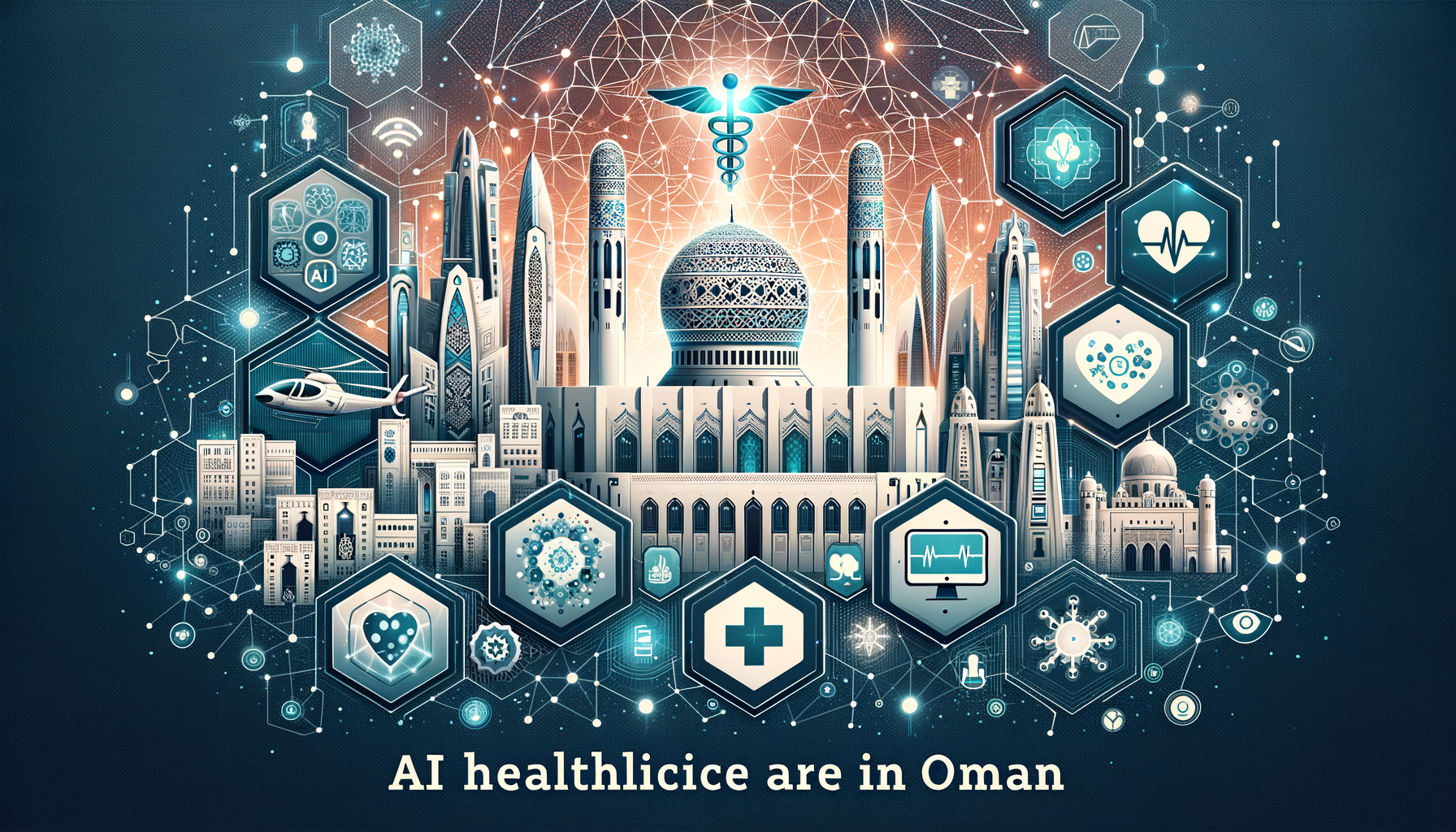
The Current Landscape of Healthcare in Oman
The Sultanate of Oman has long been a beacon of progress in the Gulf Cooperation Council (GCC) region, particularly in its healthcare sector. The nation’s commitment to innovation is mirrored in its strategic initiatives like the Oman Vision 2040, which aims to enhance healthcare delivery through digital transformation. The recent deployment of AI in telemedicine is a testament to this vision, aligning with the national aspirations to modernize healthcare infrastructure and improve accessibility across its diverse geography.
Oman’s healthcare system is currently undergoing significant transformation, driven by the National Programme for AI, which runs through 2026. This program is part of a broader strategy to integrate advanced technologies into various sectors, including healthcare, to foster economic growth and improve public welfare. By 2030, the Ministry of Transport plans to create 30,000 AI-related jobs and achieve a $5 billion economic impact, underscoring the importance of AI in the nation’s economic and social agendas.
The Oman Digital Triangle Initiative further supports this transformation by establishing three interconnected digital zones aimed at fostering technological innovation and collaboration. These zones are expected to serve as hubs for AI development in healthcare, providing platforms for research, development, and implementation of cutting-edge telemedicine solutions.
AI and Telemedicine: A Transformative Synergy
The integration of AI into telemedicine represents a significant leap forward in healthcare delivery, offering solutions that are both efficient and scalable. In Oman, AI-powered telemedicine is not just a technological advancement but a necessary evolution to meet the healthcare demands of a growing population. The country’s dispersed population across urban and rural areas presents logistical challenges that telemedicine is uniquely positioned to overcome.
AI enhances telemedicine by providing intelligent diagnostic tools, personalized treatment plans, and continuous patient monitoring. These innovations are crucial for addressing the shortage of healthcare professionals in remote areas, allowing specialists from urban centers to provide consultations and follow-ups without the need for patients to travel long distances.
Moreover, AI algorithms can process vast amounts of medical data rapidly, enabling healthcare providers in Oman to make informed decisions with greater accuracy. This capability is particularly beneficial in managing chronic diseases and providing preventive care, which are focal points of the country’s healthcare strategy under Vision 2040.
Regulatory Environment and Challenges
While the potential of AI in telemedicine is immense, regulatory frameworks must evolve to accommodate these innovations. In Oman, regulatory bodies are actively working to establish guidelines that ensure the safe and ethical use of AI technologies in healthcare. This involves setting standards for data privacy, security, and the ethical implications of AI decision-making processes.
The Tahawul digital transformation program plays a critical role in shaping these regulations, aiming to create a robust digital infrastructure that supports the deployment of AI-driven solutions. However, challenges remain, particularly in areas such as data standardization, interoperability, and the integration of AI systems with existing healthcare systems.
Addressing these challenges requires collaboration between government bodies, healthcare providers, and technology developers. By fostering a collaborative environment, Oman can ensure that its regulatory framework is both comprehensive and adaptable, facilitating the seamless integration of AI into its healthcare ecosystem.
The Future of AI-Driven Telemedicine in Oman
Looking ahead, the future of telemedicine in Oman appears promising, with AI poised to play an increasingly central role. The continued investment in AI capabilities, alongside strategic initiatives like the Oman Digital Triangle, positions the country as a leader in digital health innovation in the GCC region. This is particularly relevant as the nation seeks to enhance its healthcare services and improve patient outcomes through technology.
As part of its Vision 2040, Oman is committed to fostering a culture of innovation and entrepreneurship. This commitment is evident in its support for startups and research institutions focused on AI and telemedicine. These efforts are crucial for developing home-grown solutions that address the unique healthcare challenges faced by the country.
The deployment of AI in telemedicine not only aligns with Oman’s national objectives but also contributes to the broader goals of the GCC in achieving digital transformation across vital sectors. As these technologies continue to evolve, they promise to redefine healthcare delivery, making it more accessible, efficient, and patient-centric.
Oman’s journey into AI-powered telemedicine is an inspiring example of how strategic vision and technological innovation can converge to create meaningful impact. By continuing to invest in AI and fostering a supportive regulatory environment, Oman can solidify its position as a regional leader in digital healthcare, setting a benchmark for others to follow.