
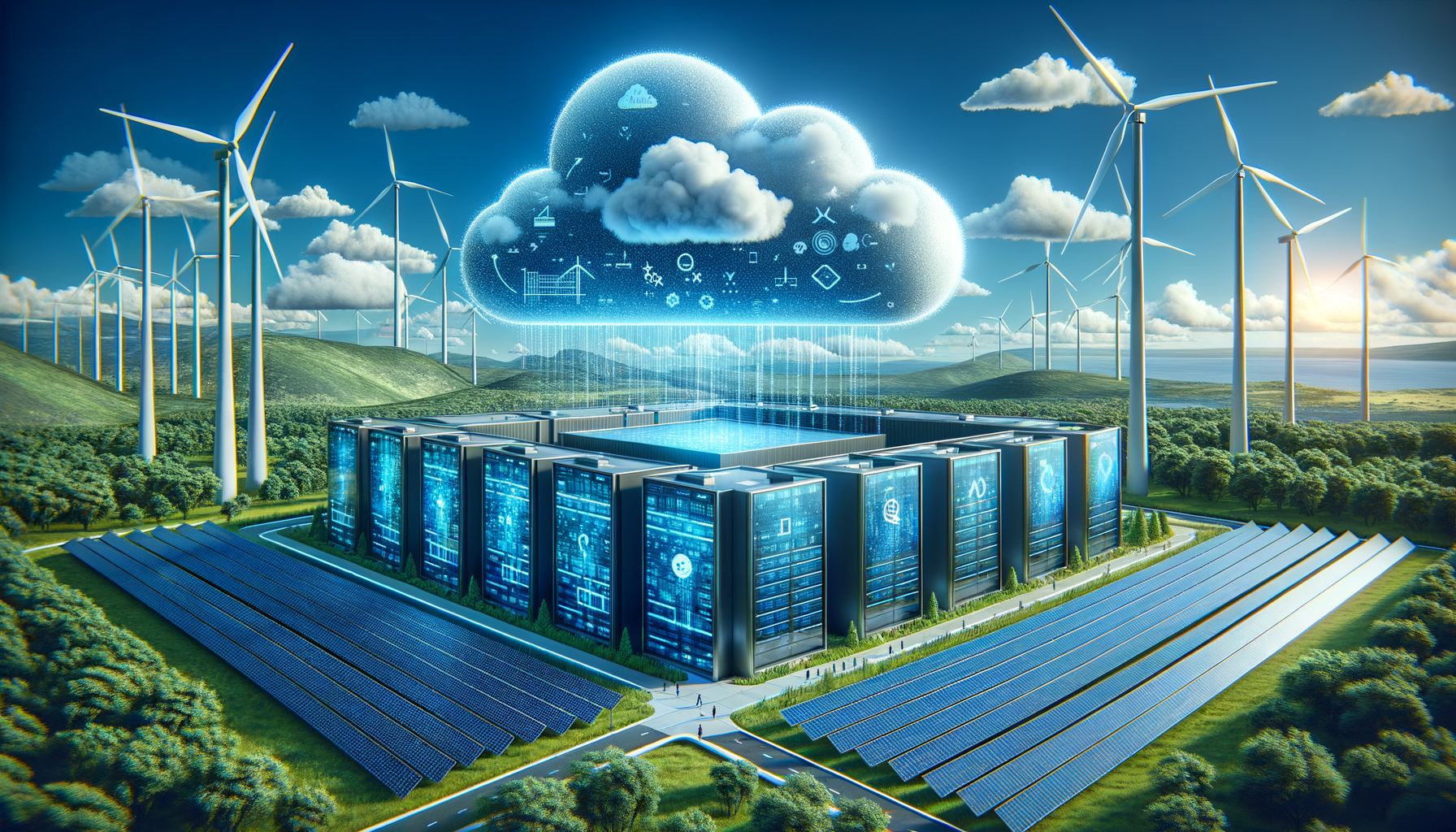
Introduction to Sustainable Green Cloud Computing
In the rapidly evolving landscape of technology, the intersection of cloud computing and sustainability has emerged as a pivotal focus. As we advance into 2026, the demand for sustainable green cloud computing has become more pronounced, driven by both industry innovation and environmental necessity. This paradigm shift is not merely a trend but an imperative as businesses recognize the dual value of operational efficiency and ecological stewardship.
The essence of sustainable green cloud computing lies in its ability to reduce carbon footprints while maintaining or even enhancing computational capabilities. As global data consumption continues to skyrocket, the energy demands of cloud infrastructures have become a significant concern. Reports indicate that data centers, the backbone of cloud computing, could consume as much as 10% of the global electricity supply by 2030 if current growth trends persist. This statistic underscores the urgent need for the tech industry to adopt more sustainable practices.
Industry leaders are responding with a host of innovative solutions designed to mitigate the environmental impact of their operations. From harnessing renewable energy sources to implementing advanced cooling technologies, companies are reimagining the architecture of data centers in their quest to build a greener digital future. This transformation is not only environmentally beneficial but also economically advantageous, as energy-efficient systems often lead to reduced operational costs.
Green Innovations in Cloud Infrastructure
At the heart of sustainable green cloud computing are the innovations reshaping cloud infrastructure. A prominent development is the integration of renewable energy sources. Tech giants like Google and Amazon have already committed to powering their data centers with 100% renewable energy, setting a precedent for smaller companies to follow. This shift is facilitated by advancements in solar and wind technologies, which have become increasingly cost-effective and efficient.
Moreover, the introduction of energy-efficient hardware has played a crucial role. Companies are investing in next-generation processors and servers that consume less power while delivering superior performance. The use of solid-state drives (SSDs), which are more energy-efficient than traditional hard disk drives (HDDs), is another step towards reducing energy consumption. By upgrading to these modern components, data centers can significantly lower their energy requirements.
In addition to hardware improvements, software innovations are key to optimizing energy usage. Machine learning algorithms are being employed to predict and manage energy consumption dynamically. These algorithms can forecast demand and adjust workloads in real-time, ensuring that resources are used as efficiently as possible. Furthermore, virtualization technologies allow for more flexible and efficient use of hardware, reducing the number of physical machines required and thus the energy consumed.
The Role of Policy and Regulation
Policy and regulation have also emerged as critical drivers of sustainable practices in cloud computing. Governments worldwide are increasingly recognizing the need for stringent regulations to curb the environmental impact of data centers. In Europe, the European Green Deal aims to make the continent climate-neutral by 2050, with specific measures targeting the tech sector. Compliance with such regulations not only ensures environmental benefits but also enhances a company’s reputation and consumer trust.
In the United States, similar regulatory frameworks are being developed to encourage sustainable practices in the tech industry. The push for transparency in energy usage and carbon emissions is gaining momentum, with companies now required to report their environmental impact more comprehensively. These measures are designed to hold companies accountable and incentivize the adoption of greener technologies.
However, policy alone is not a panacea. Collaboration between governments, industry leaders, and environmental organizations is essential to drive meaningful change. Public-private partnerships can facilitate the development of innovative solutions and create economic incentives for companies to invest in sustainable technologies. By working together, stakeholders can accelerate the transition to a more sustainable cloud computing ecosystem.
Challenges and Opportunities
Despite the advances in green cloud computing, challenges remain. One significant hurdle is the initial cost of transitioning to more sustainable technologies. While the long-term benefits are substantial, the upfront investment can be a deterrent for smaller companies with limited resources. To address this, financial incentives and subsidies from governments can play a crucial role in making green technologies more accessible.
Moreover, the rapid pace of technological change presents its own set of challenges. Keeping up with the latest innovations requires continuous investment in research and development. Companies must be agile and willing to adopt new technologies to stay competitive and meet regulatory requirements.
Nevertheless, these challenges bring with them opportunities for innovation and leadership. Companies that successfully integrate sustainability into their core operations can differentiate themselves in a crowded market. As consumers become more environmentally conscious, businesses that prioritize sustainability will likely gain a competitive edge and foster greater customer loyalty.
Looking Ahead: The Future of Green Cloud Computing
The future of sustainable green cloud computing is promising, with continued advancements in technology and an increasing focus on environmental responsibility. As we approach 2030, the cumulative efforts of the tech industry, coupled with supportive policies, are expected to yield significant reductions in the carbon footprint of cloud computing.
Emerging technologies such as quantum computing and edge computing hold the potential to revolutionize the landscape further. Quantum computing, with its unparalleled processing power, could enable more energy-efficient data processing, while edge computing can reduce the need for large centralized data centers by processing data closer to the source.
Ultimately, the journey towards sustainable green cloud computing is one of collaboration, innovation, and commitment. As the industry continues to evolve, it is imperative that all stakeholders remain focused on the shared goal of creating a sustainable digital ecosystem. By embracing this challenge, the tech industry can lead the way in building a greener future, one that balances technological progress with environmental stewardship.