
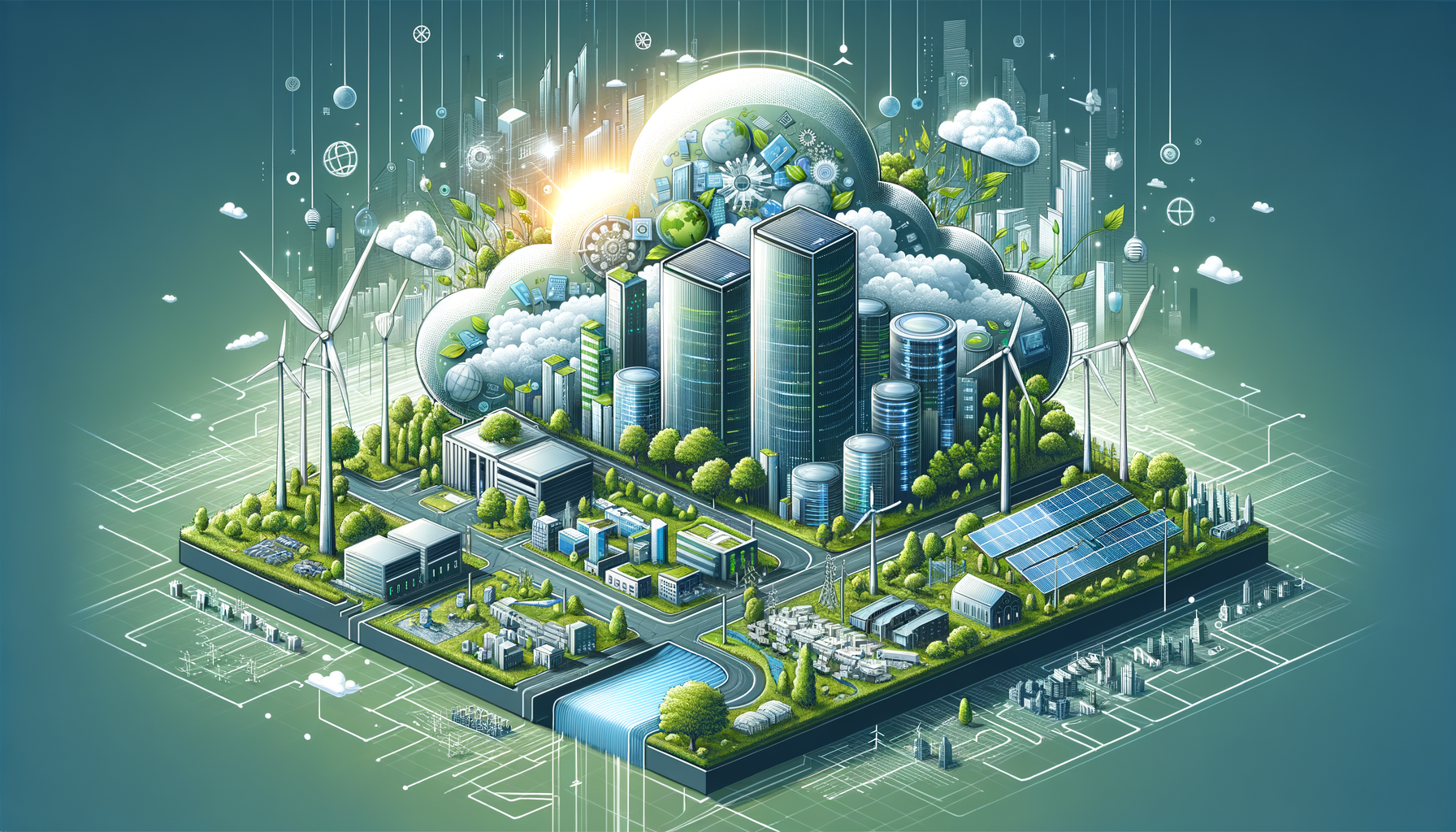
The Rise of Green Cloud Computing
In 2026, the digital landscape is increasingly shaped by the imperative of sustainability, with green cloud computing emerging as a pivotal force. As the global demand for cloud services surges, it becomes clear that maintaining colossal data centers demands significant energy resources. Traditional data centers, with their enormous power consumption, have long been critiqued for their environmental impact. However, the advent of green cloud computing is catalyzing a transformative shift towards more sustainable digital infrastructures. Tech giants are now prioritizing energy-efficient architectures, leveraging renewable energy sources to power their operations. This shift not only addresses environmental concerns but also aligns with the growing consumer preference for eco-conscious services.
Major players in the tech industry have committed to ambitious carbon neutrality goals, driving innovations aimed at curbing energy consumption and minimizing carbon emissions. Companies like Google, Amazon, and Microsoft have set benchmarks by integrating renewable energy solutions into their data centers, harnessing wind, solar, and hydroelectric power. The strategic deployment of these clean energy alternatives not only reduces the carbon footprint but also lowers operational costs, creating a win-win scenario for both the environment and the tech industry. As a result, the cloud computing sector is witnessing a paradigm shift towards sustainability, driven by both ethical imperatives and economic incentives.
Furthermore, the integration of artificial intelligence and machine learning technologies is playing a crucial role in optimizing energy usage within data centers. By employing AI-driven analytics, companies can dynamically manage workloads, enhance server utilization, and predictively adjust cooling systems to match demand. This intelligent automation significantly reduces energy wastage and enhances the overall efficiency of cloud services. As the industry continues to innovate, the focus is shifting towards designing data centers that are not only energy-efficient but also resilient to future technological and environmental changes.
Energy Efficiency in Modern Data Centers
The quest for sustainability in cloud computing is fundamentally transforming the design and operation of data centers. In 2026, data centers are no longer just facilities housing servers; they are intricate ecosystems optimized for maximum energy efficiency and minimal environmental impact. One of the most significant advancements in this realm is the adoption of advanced cooling technologies. Traditional air-conditioning systems, notorious for their high energy consumption, are being replaced by liquid cooling and free cooling methods. These innovative systems utilize ambient air and water to maintain optimal operating temperatures, drastically reducing the energy required for cooling processes. This shift not only enhances energy efficiency but also extends the lifespan of hardware, reducing electronic waste.
Another critical component of energy-efficient data centers is the implementation of energy management systems (EMS). These sophisticated platforms provide real-time monitoring and control of energy consumption across all levels of the infrastructure. By leveraging IoT sensors and big data analytics, EMS can identify inefficiencies and suggest actionable insights to optimize energy use. This granular visibility into energy consumption patterns allows operators to make informed decisions, ultimately reducing operational costs and environmental impact.
Moreover, the trend towards edge computing is redefining the geographical distribution of data centers. By decentralizing computational resources closer to end users, edge computing reduces latency and bandwidth usage while simultaneously lowering the energy footprint of data transmission. This architectural shift not only enhances performance but also aligns with sustainability goals by diminishing the reliance on centralized mega-data centers that consume vast amounts of energy.
Eco-Friendly Innovations and Strategies
The journey towards sustainable green cloud computing is fueled by a suite of innovative strategies and technologies. One such innovation is the deployment of green infrastructure that incorporates sustainable building materials and design principles. Data centers are increasingly being constructed with recyclable materials, energy-efficient lighting, and green roofs that reduce heat absorption. These eco-friendly designs not only contribute to energy savings but also create healthier environments for employees and surrounding communities.
Furthermore, the adoption of virtualization technologies is revolutionizing how computational resources are managed. By virtualizing servers, storage, and networks, cloud providers can maximize resource utilization and minimize physical hardware requirements. This consolidation of resources significantly reduces the energy consumed per unit of computational power, resulting in a more sustainable cloud infrastructure. The virtualization trend is further complemented by the rise of containerization, which allows for even more efficient resource allocation and reduces the overhead associated with traditional virtual machines.
In addition to technological advancements, corporate strategies are evolving to prioritize sustainability. Many organizations are now incorporating sustainability metrics into their key performance indicators, ensuring that environmental impact is a core consideration in their business operations. This shift is supported by an increasing number of regulatory frameworks and industry standards that mandate energy efficiency and carbon reduction targets. As sustainability becomes a competitive differentiator, companies are compelled to innovate and adopt practices that align with these regulatory expectations and consumer demands.
The Future of Green Cloud Computing
As we look to the future, the trajectory of green cloud computing is poised to accelerate, driven by both technological advancements and societal demands for sustainable practices. In 2026, the integration of renewable energy sources into cloud infrastructures is expected to become even more sophisticated, with advancements in energy storage technologies playing a pivotal role. Energy storage solutions, such as next-generation batteries and hydrogen fuel cells, will enable data centers to store excess renewable energy and utilize it during peak demand periods, further enhancing energy efficiency and reliability.
Moreover, the development of carbon capture and utilization technologies presents an exciting frontier for reducing the environmental impact of cloud computing. By capturing carbon emissions from data centers and repurposing them for industrial applications, companies can create a closed-loop system that minimizes waste and maximizes resource efficiency. This innovative approach not only addresses climate change but also presents new economic opportunities for the tech industry.
As consumer awareness and regulatory pressures continue to rise, the demand for transparent reporting on energy usage and carbon emissions will increase. Companies will be required to provide detailed insights into their sustainability practices, fostering a culture of accountability and continuous improvement. This transparency will empower consumers to make informed choices and drive the industry towards more sustainable practices.
The journey towards sustainable green cloud computing is not merely a trend but a transformative movement that will define the future of the tech industry. As companies embrace the principles of sustainability, they are not only contributing to a healthier planet but also unlocking new avenues for innovation and growth. For businesses and consumers alike, the path forward lies in embracing these green initiatives and advocating for a more sustainable digital future.