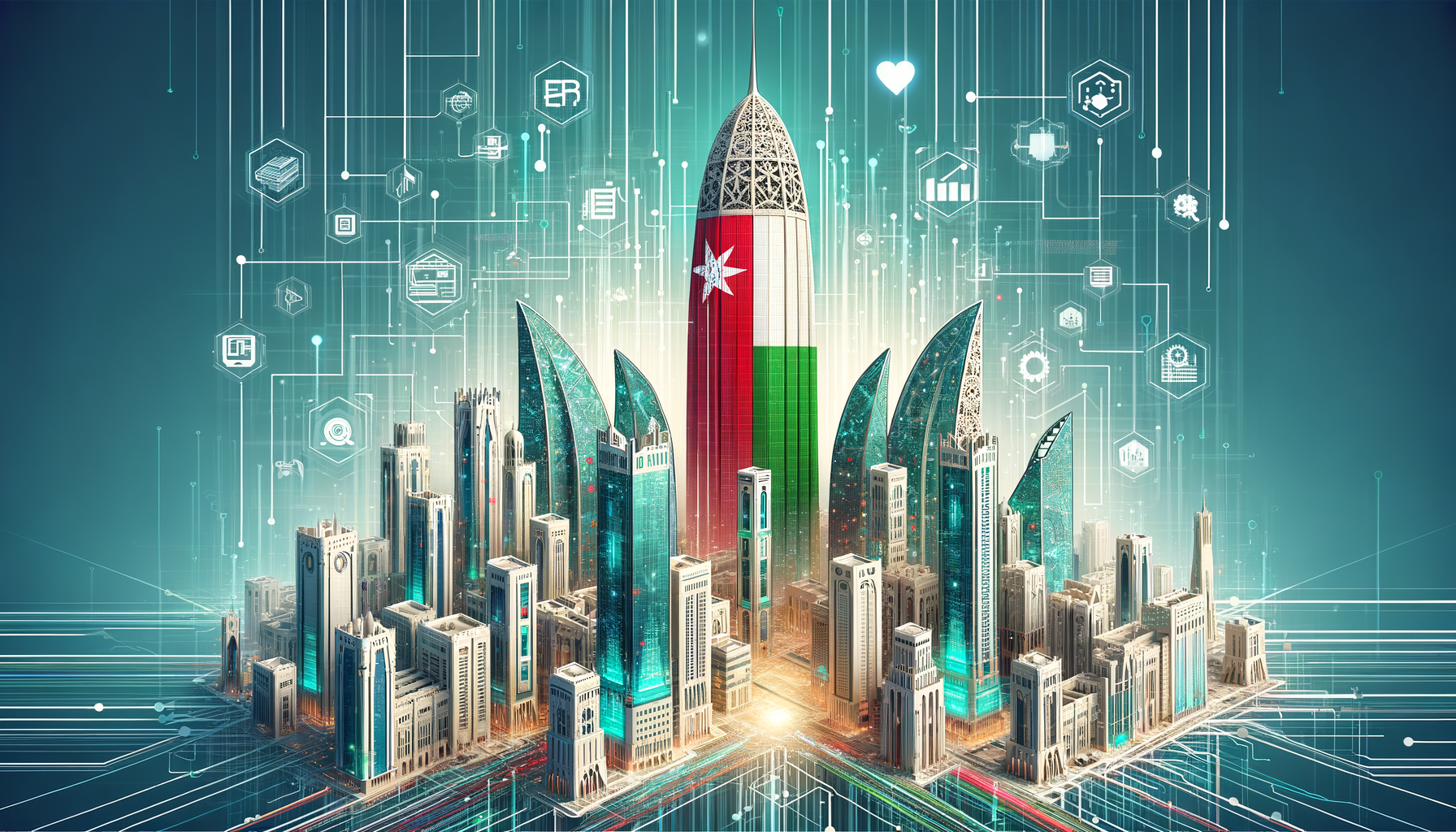
The Growing ICT Landscape in Oman
As Oman strides toward its ambitious Vision 2040, the nation is witnessing a transformative phase across its ICT landscape. The ICT market, projected to expand from USD 5.96 billion in 2025 to USD 9.75 billion by 2031, reflects an impressive compound annual growth rate (CAGR) of 8.73%. This growth is underpinned by strategic government initiatives and a burgeoning demand for sophisticated digital solutions.
ERP systems are at the heart of this digital evolution, offering enterprises a robust framework to streamline operations, integrate processes, and enhance data-driven decision-making. With 6,828 registered ICT companies in Oman, the competitive landscape is fertile ground for ERP adoption. These systems not only foster operational efficiency but also align with the nation’s digital transformation objectives under the Tahawul program.
Despite this encouraging growth trajectory, Oman faces a critical skills gap, particularly in areas like AI, cybersecurity, and data engineering. The Omanisation strategy, which aims for a 62% national workforce in the ICT sector, highlights the need for skilled local talent to support these technological advancements. This gap underscores the importance of ERP systems in compensating for human resource limitations by automating and optimizing business processes.
ERP as a Catalyst for Vision 2040
Oman’s Vision 2040 is a national roadmap that aspires to create a diversified and sustainable economy, with ICT playing a pivotal role in this transformation. ERP systems are integral to this vision, providing the structural backbone for enterprises to innovate and enhance their operational capabilities. By facilitating seamless integration across various business functions, ERP solutions help companies in Oman to become more agile and responsive to market demands.
The Tahawul digital transformation program further accelerates this journey by promoting the adoption of cutting-edge technologies across public and private sectors. ERP implementation is crucial in this context, enabling businesses to harness the full potential of digital tools while ensuring compliance with local regulations and standards. This alignment not only enhances competitiveness but also contributes to the broader economic goals outlined in Vision 2040.
Moreover, as the global business landscape becomes increasingly digital, Omani enterprises are leveraging ERP systems to enhance their export capabilities and penetrate new markets. By standardizing processes and improving operational transparency, ERP solutions empower businesses to meet international benchmarks and foster trust among global partners and consumers.
Challenges and Opportunities in ERP Implementation
Implementing ERP systems in Oman is not without its challenges. One of the primary hurdles is the significant upfront investment required, which can be a deterrent for small and medium-sized enterprises (SMEs) with limited financial resources. However, the long-term benefits of ERP systems, such as cost savings, improved efficiency, and enhanced decision-making, far outweigh the initial expenses.
Another challenge is the resistance to change within organizations. ERP implementation often requires a fundamental shift in company culture and processes, which can lead to reluctance among employees. Effective change management strategies, including comprehensive training programs and stakeholder engagement, are essential to overcome these barriers and ensure a smooth transition.
Despite these challenges, the opportunities presented by ERP systems are immense. As Oman continues to urbanize and industrialize, the demand for efficient and scalable business processes will only increase. ERP solutions offer the flexibility and scalability required to meet these evolving needs, making them an indispensable tool for enterprises looking to thrive in the digital age.
Strategic Approaches to ERP Adoption
To maximize the benefits of ERP systems, Omani enterprises must adopt a strategic approach to their implementation. This begins with a thorough assessment of organizational needs and objectives, ensuring that the chosen ERP solution aligns with the company’s strategic goals. Customization is key, as it allows businesses to tailor the system to their unique operational requirements and industry-specific challenges.
Collaboration with experienced IT partners is also crucial, as they bring invaluable expertise and insights to the implementation process. These partners can guide organizations through the complexities of ERP deployment, from selecting the right software to managing data migration and integration with existing systems. By leveraging external expertise, companies can mitigate risks and enhance the likelihood of successful ERP adoption.
Moreover, continuous evaluation and improvement are vital components of effective ERP implementation. By regularly reviewing system performance and soliciting feedback from users, businesses can identify areas for enhancement and ensure that the ERP solution continues to deliver value over time. This iterative approach not only optimizes system functionality but also fosters a culture of continuous improvement and innovation.
In closing, as Oman navigates its path toward a digitally empowered future, ERP systems stand as a cornerstone of this transformation. By embracing these solutions, enterprises can unlock unprecedented levels of efficiency and competitiveness, driving the nation closer to its Vision 2040 aspirations. For business leaders in Oman, the imperative is clear: invest in ERP systems today to build the resilient, future-ready organizations of tomorrow.