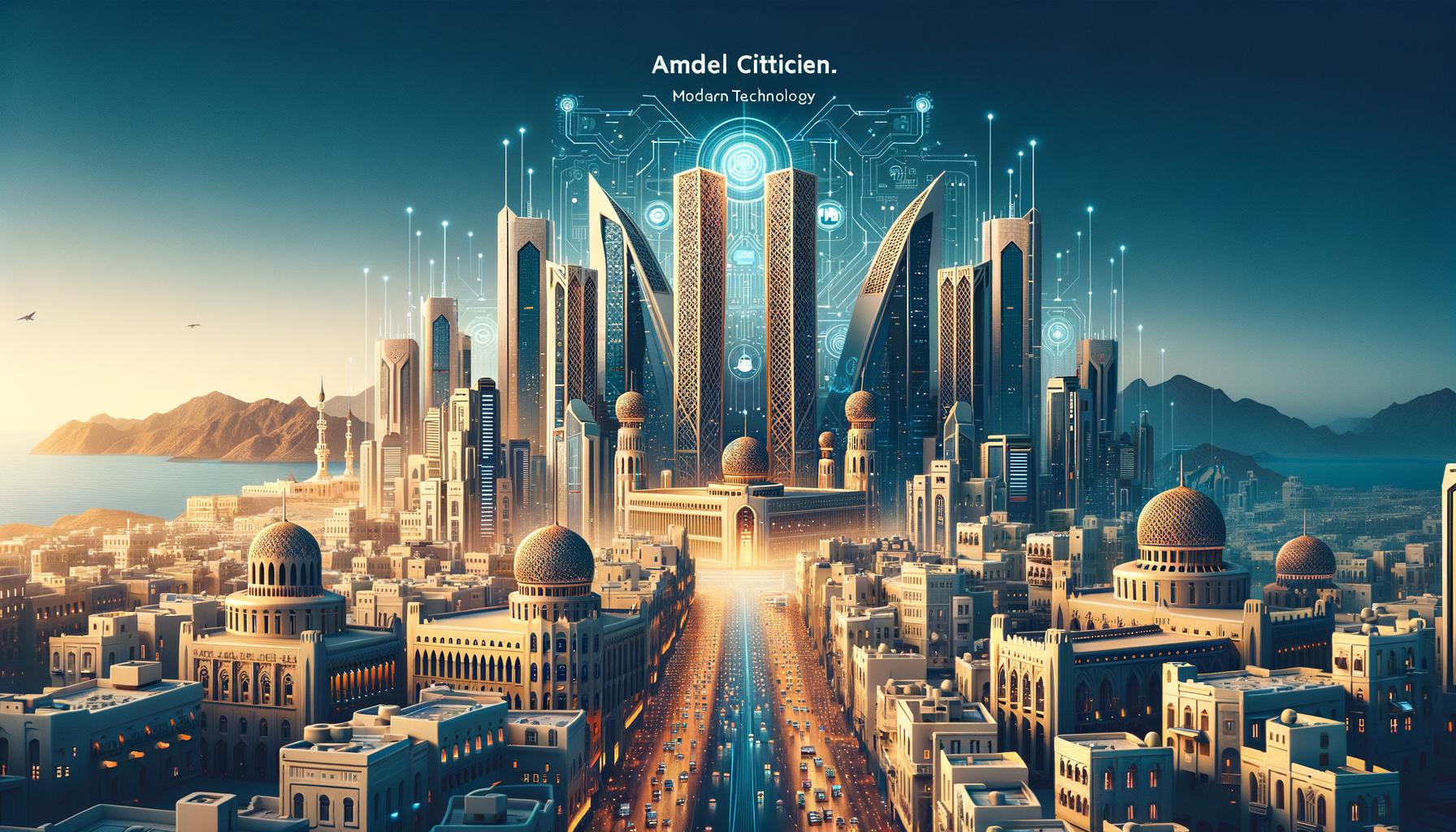
Strategic Overview of Muscat’s Smart City Vision
As Oman strides towards a future defined by technological innovation and digital integration, Muscat stands at the forefront of this transformation, embodying the principles enshrined in Oman Vision 2040. This ambitious vision, which outlines the sultanate’s developmental trajectory, emphasizes sustainable economic growth, diversification, and technological advancement. Central to this vision are smart city initiatives in Muscat that leverage artificial intelligence (AI) to optimize urban infrastructure and enhance the quality of life for its residents.
The National Programme for AI, running through 2026, is a cornerstone of this transformation. Aimed at integrating AI across various sectors, this program is designed to create a technologically savvy workforce, positioning Oman as a leader in the Gulf’s burgeoning digital economy. The Ministry of Transport’s goal of generating 30,000 AI-related jobs by 2030 underscores the government’s commitment to harnessing AI’s potential to drive economic prosperity. With a projected economic impact of $5 billion, these initiatives are poised to redefine the socio-economic landscape of Muscat and Oman at large.
In alignment with these objectives, the Oman Digital Triangle Initiative has been launched, creating three interconnected digital zones that facilitate seamless communication and data exchange. These zones are instrumental in fostering a collaborative environment, accelerating the deployment of AI solutions across urban management systems, transportation networks, and public services. By fostering innovation and entrepreneurship, Oman is positioning itself as a hub for AI development and smart city research within the GCC region.
Integration of AI in Urban Infrastructure
Muscat’s journey toward becoming a smart city is characterized by the strategic integration of AI into its urban infrastructure. AI technologies are being deployed to enhance the efficiency of municipal services, streamline traffic management, and improve public safety. Advanced data analytics and machine learning models enable city planners to make informed decisions based on real-time data, ensuring optimal resource allocation and reducing operational costs.
Transportation is a critical focus area, with AI-driven systems being employed to manage traffic flow and minimize congestion. Intelligent traffic lights, equipped with sensors and real-time data analytics, adjust signal timings to accommodate varying traffic volumes, thereby reducing wait times and emissions. Furthermore, AI is being utilized to optimize public transportation routes, enhancing connectivity and accessibility across the city.
In the realm of public safety, AI-powered surveillance systems are being deployed to monitor urban environments and detect anomalies. These systems use facial recognition and behavior analysis to identify potential threats, enabling authorities to respond swiftly and effectively. This proactive approach not only enhances security but also instills confidence among residents and visitors, contributing to Muscat’s reputation as a safe and welcoming city.
Economic Impact and Job Creation
The implementation of AI-powered smart city initiatives in Muscat is expected to yield significant economic benefits, contributing to Oman’s broader economic diversification goals. By fostering a digital ecosystem that supports innovation and entrepreneurship, Muscat is attracting investment and creating new business opportunities. This, in turn, stimulates job creation, particularly in sectors such as technology, engineering, and data science.
The Ministry of Transport’s target of 30,000 AI jobs by 2030 is a testament to the potential for AI to drive employment growth. These jobs span a range of roles, from software development and system integration to data analysis and project management. By equipping the workforce with the necessary skills and knowledge, Oman is ensuring that its citizens are well-positioned to thrive in a digital economy.
The economic impact of Muscat’s smart city initiatives extends beyond job creation. By enhancing operational efficiencies and reducing costs, AI technologies are expected to contribute $5 billion to the economy by 2030. This economic boost will support the government’s efforts to diversify its revenue streams, reducing reliance on oil and gas exports and positioning Oman as a leader in the knowledge economy.
Challenges and Opportunities in Smart City Development
While the potential benefits of AI-powered smart city initiatives are significant, there are also challenges that must be addressed to ensure successful implementation. One of the primary challenges is the need for robust data governance frameworks that protect citizens’ privacy and ensure the secure handling of sensitive information. As AI systems become more integrated into urban infrastructure, the importance of cybersecurity measures cannot be overstated.
Another challenge is the need for comprehensive regulatory frameworks that support innovation while safeguarding public interests. Oman’s regulatory environment must evolve to accommodate the rapid pace of technological advancement, providing clear guidelines on AI deployment and data usage. By fostering a supportive regulatory landscape, Oman can encourage investment and innovation in the smart city sector.
Despite these challenges, the opportunities presented by AI-powered smart city initiatives are immense. By leveraging AI to drive efficiency and innovation, Muscat can position itself as a model for sustainable urban development in the GCC. The city’s transformation serves as a powerful example of how technology can be harnessed to achieve economic growth and improve quality of life, aligning with the broader objectives of Oman Vision 2040.
As Muscat continues to evolve into a smart city, the potential for AI to drive transformative change is clear. By embracing innovation and investing in the future, Oman is paving the way for a new era of digital excellence. For businesses, investors, and residents alike, the opportunities are boundless, offering a glimpse into the future of urban living in the Gulf region. Engage with these initiatives, and explore how you can be part of Oman’s journey toward a smarter, more connected future.