
The Rise of Eco-Friendly Cloud Solutions
In the year 2026, the landscape of cloud computing has undergone a profound transformation with sustainability at its core. The demand for eco-friendly cloud solutions has skyrocketed as businesses and individuals alike face mounting pressure to reduce their environmental impact. This shift is not merely a response to consumer expectations but a necessary evolution driven by global regulatory frameworks that prioritize carbon reduction and energy efficiency. The cloud, once considered a nebulous and intangible service, is now scrutinized for its physical and environmental footprint. Companies are increasingly investing in green technologies that promise to deliver cloud services with minimal environmental impact.
As data centers emerge as significant consumers of electricity, the industry has responded with innovative strategies aimed at reducing energy consumption and employing renewable energy sources. By 2026, renewable energy powers a significant portion of cloud infrastructure, with giants such as Google, Amazon, and Microsoft leading the charge. These companies have committed to ambitious goals of achieving carbon neutrality, setting a precedent for smaller players. This transition is not without its challenges, as the integration of renewable energy into existing infrastructures requires substantial investment and technological innovation.
The adoption of eco-friendly cloud solutions is further accelerated by advancements in virtualization and server optimization technologies. Virtualization enables more efficient use of physical servers, reducing the need for additional hardware and thus lowering the overall energy consumption. Additionally, modern server designs incorporate energy-saving features that dynamically adjust power usage based on workload demands. These innovations exemplify the industry’s commitment to sustainable practices, demonstrating that technological advancement and environmental stewardship can go hand in hand.
Renewable Energy in Data Centers
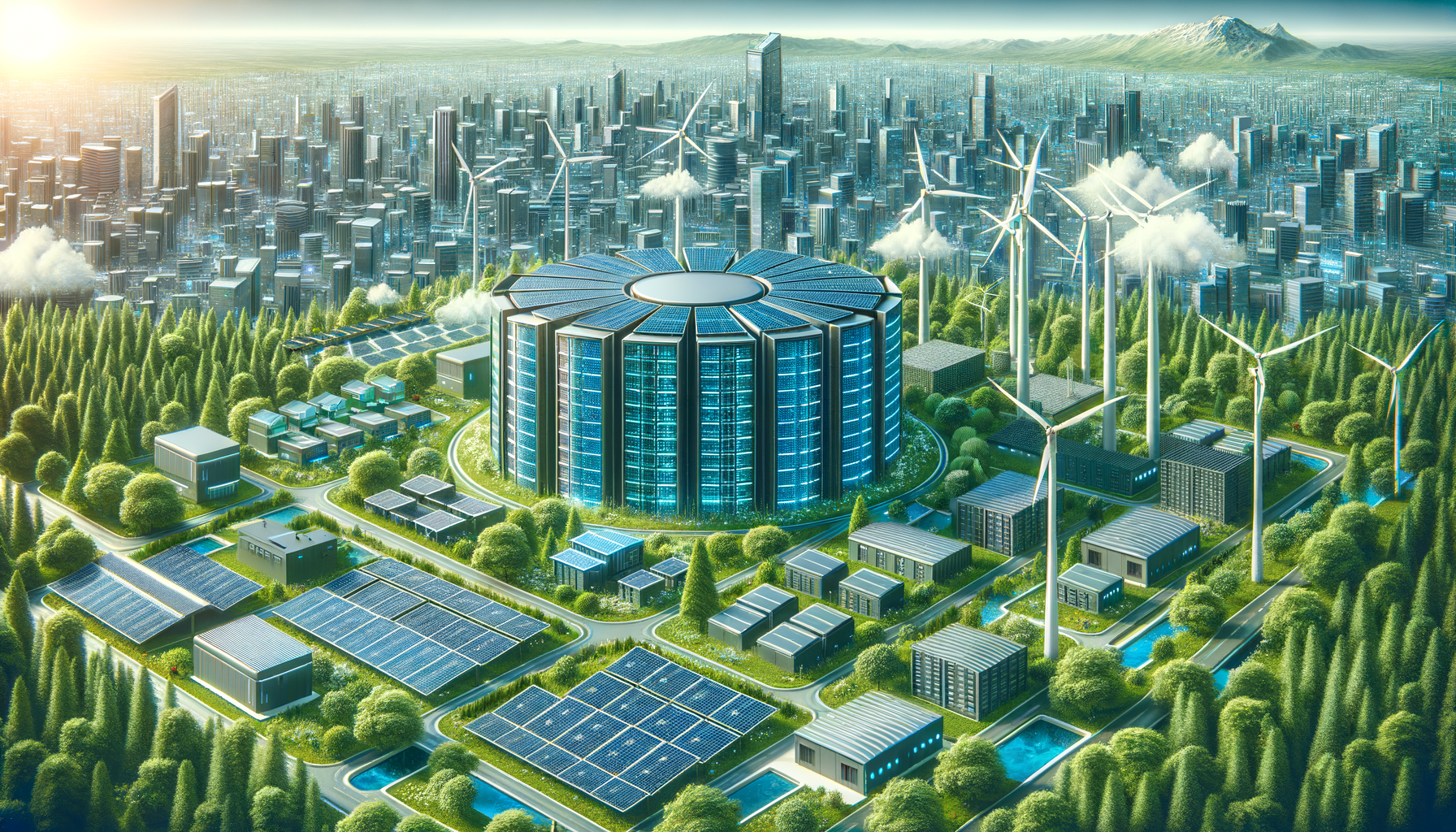
Data centers, the backbone of cloud computing, have historically been notorious for their high energy demands. In 2026, however, a paradigm shift towards renewable energy sources is well underway. Solar and wind energy have become the preferred choices for powering these facilities, with many companies investing in on-site renewable energy projects. For instance, solar farms adjacent to data centers provide a steady stream of clean energy, significantly reducing reliance on fossil fuels. This transition is not only environmentally beneficial but also economically advantageous, as the cost of renewable energy continues to decline.
The integration of renewable energy into data center operations is complemented by advancements in energy storage solutions. Battery technologies have evolved to store excess energy generated during peak production times, ensuring a consistent power supply even when renewable sources are intermittent. This capability is critical for maintaining the reliability and uptime that cloud services demand. Furthermore, innovative cooling technologies, such as liquid cooling systems, have been developed to reduce the energy consumption associated with traditional air-conditioning methods.
These advancements are supported by strategic partnerships between technology companies and energy providers. By collaborating with renewable energy suppliers, cloud service providers can secure long-term energy contracts that stabilize costs and further reduce their carbon footprint. The result is a cloud computing ecosystem that not only supports business operations but also aligns with global sustainability goals.
The Road to Carbon-Neutral Cloud
Achieving a carbon-neutral cloud is a formidable challenge that requires concerted efforts across the industry. In 2026, leading cloud service providers are actively pursuing this goal by implementing comprehensive sustainability strategies. These strategies encompass not only the adoption of renewable energy but also the optimization of every aspect of cloud operations. From supply chain management to software development, companies are scrutinizing their processes to identify and eliminate sources of carbon emissions.
One of the key drivers of carbon neutrality is the development of energy-efficient algorithms and software. By optimizing code and reducing computational overhead, developers can significantly cut down on the energy required to run applications. Artificial intelligence and machine learning are also playing crucial roles in this endeavor. These technologies enable predictive analytics and automation, allowing for more efficient resource allocation and reduced energy waste.
The push towards a carbon-neutral cloud is also supported by regulatory incentives and consumer demand. Governments worldwide are enacting policies that encourage sustainable practices, and consumers are increasingly prioritizing eco-friendly services. This convergence of factors creates a favorable environment for green innovation, fostering a competitive market where sustainability is a key differentiator.
Challenges and Opportunities in Green Cloud Computing
Despite the progress made, the journey towards sustainable green cloud computing is fraught with challenges. One of the primary obstacles is the initial cost of transitioning to renewable energy sources and upgrading existing infrastructures. While the long-term benefits are undeniable, the upfront investment can be prohibitive for smaller companies. Additionally, the intermittent nature of renewable energy sources poses reliability concerns, necessitating robust energy storage solutions.
Another challenge lies in the complexity of measuring and reporting carbon emissions. Accurate carbon accounting is essential for tracking progress towards sustainability goals, yet it remains a daunting task due to the intricate nature of cloud operations. Companies must navigate a labyrinth of data points and metrics to provide transparent and verifiable emissions reports.
However, these challenges also present opportunities for innovation. The demand for energy-efficient technologies and sustainable practices is driving research and development in areas such as advanced materials, energy storage, and intelligent automation. Start-ups and established companies alike are exploring novel solutions that promise to redefine the future of cloud computing. The potential for collaboration and cross-industry partnerships is immense, as stakeholders work together to build a sustainable digital future.
As we move deeper into 2026, the imperative for sustainable green cloud computing becomes increasingly clear. The convergence of technological innovation, regulatory support, and consumer demand creates a powerful impetus for change. By embracing sustainable practices and investing in green technologies, the cloud computing industry has the opportunity to lead the way in environmental stewardship. As businesses and individuals continue to rely on cloud services, the commitment to sustainability will not only shape the future of computing but also contribute to a healthier planet.
In this evolving landscape, the call to action is clear: invest in sustainable practices, innovate responsibly, and prioritize the planet alongside profit. As we embrace the potential of green cloud computing, we have the chance to redefine what it means to be a responsible steward of technology and the environment. The choices we make today will determine the legacy we leave for future generations, and the time to act is now.