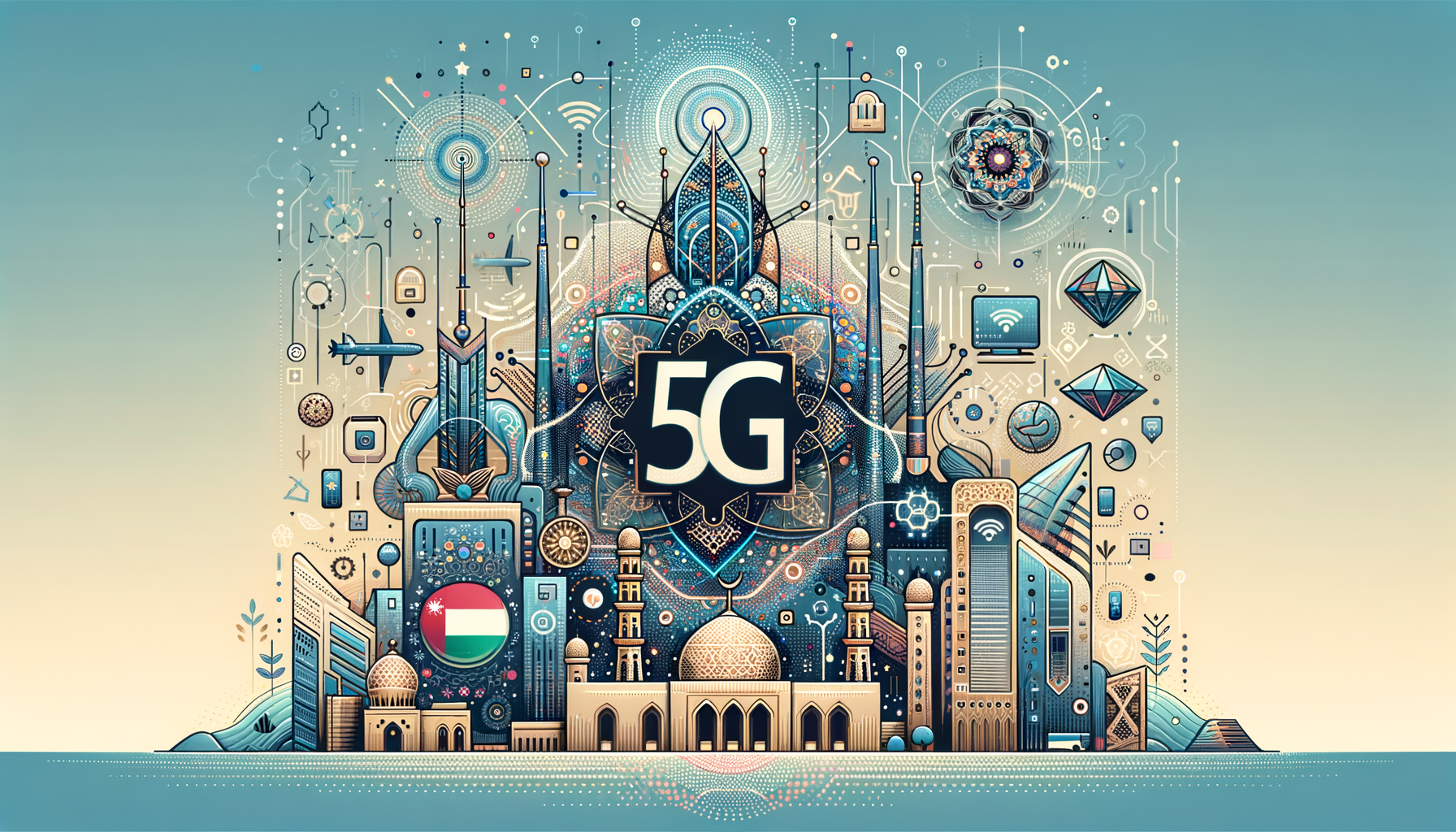
Oman’s Strategic Leap into 5G Connectivity
As Oman forges ahead in the digital transformation landscape, the advent of 5G technology has marked a significant milestone in the nation’s pursuit of enhanced connectivity and technological advancement. Omantel’s launch of 5G Standalone in January 2026, featuring sub-10ms network slices, is a testament to the country’s commitment to becoming a leader in the Gulf Cooperation Council (GCC) region. This development aligns seamlessly with Oman Vision 2040, which emphasizes technological innovation and infrastructure development as central pillars for economic diversification and sustainable growth.
The strategic deployment of 5G in Oman goes beyond mere speed enhancements. It promises to revolutionize enterprise solutions by providing ultra-reliable low-latency communication, massive machine-type communications, and enhanced mobile broadband services. These capabilities are set to transform various sectors, including healthcare, manufacturing, and logistics, by enabling real-time data processing, IoT integration, and smart automation. As Oman positions itself as a regional connectivity hub, with 18 undersea internet cables facilitating global data exchange, the impact of 5G on enterprise operations cannot be overstated.
Within the competitive landscape, Vodafone Oman has emerged as a formidable player, clinching 11 of 14 Opensignal quality awards. This achievement underscores the progressive network enhancements and service quality that enterprises in Oman can expect. The presence of multiple players striving for excellence in 5G deployment ensures that businesses have access to a diverse range of solutions tailored to their specific needs, fostering an environment of innovation and competition.
Transformative Enterprise Solutions Powered by 5G
The introduction of 5G in Oman is poised to redefine enterprise solutions, offering unparalleled opportunities for growth and efficiency. One of the most significant advantages of 5G is its ability to support massive IoT deployments. In the context of Oman’s industrial landscape, this means that sectors such as oil and gas, mining, and agriculture can leverage real-time data analytics to optimize operations, reduce downtime, and enhance safety protocols. The ability to connect billions of sensors and devices seamlessly allows for predictive maintenance, remote monitoring, and efficiency improvements, driving productivity and cost savings.
Moreover, 5G’s low-latency capabilities are set to revolutionize the healthcare sector in Oman. With the potential for remote surgeries, telemedicine, and real-time patient monitoring, 5G can bridge the gap between urban and rural healthcare services, ensuring equitable access to quality medical care. This aligns with the goals of the Tahawul digital transformation program, which seeks to enhance public service delivery through technology-driven solutions. The deployment of 5G-enabled healthcare solutions can significantly improve patient outcomes, reduce healthcare costs, and strengthen Oman’s position as a leader in medical innovation within the GCC.
In the realm of smart cities, 5G provides the backbone for intelligent infrastructure, enabling real-time traffic management, energy-efficient buildings, and enhanced public safety systems. As Oman continues to urbanize, the integration of 5G technology into city planning and development is crucial for creating sustainable, livable urban environments. The ability to process vast amounts of data instantaneously allows city planners to make informed decisions, optimize resource allocation, and enhance citizen engagement, thereby contributing to the overarching objectives of Oman Vision 2040.
Regulatory Framework and Market Dynamics
The successful deployment and adoption of 5G enterprise solutions in Oman are contingent upon a robust regulatory framework that fosters innovation while ensuring security and privacy. Oman’s Telecommunications Regulatory Authority (TRA) plays a pivotal role in creating an enabling environment for 5G rollout, balancing the need for innovation with regulatory oversight. By implementing forward-thinking policies, the TRA ensures that 5G networks are secure, resilient, and capable of supporting critical national infrastructure.
Furthermore, the collaborative efforts between public and private sectors are essential for accelerating 5G adoption. Public-private partnerships can facilitate the sharing of expertise, resources, and infrastructure, driving down costs and expediting deployment timelines. By leveraging these partnerships, Oman can position itself as a leader in the GCC’s digital economy, attracting investment, fostering innovation, and creating high-value jobs.
Market dynamics in Oman are also influenced by the competitive landscape among telecom operators. The rivalry between Omantel, Vodafone Oman, and other players fuels continuous improvement in network quality and service offerings. This competitive environment incentivizes operators to explore new business models, such as network slicing and edge computing, to deliver customized solutions that meet the diverse needs of enterprises. As a result, businesses in Oman benefit from a wider array of options, enabling them to choose solutions that align with their strategic objectives and operational requirements.
As Oman embraces the transformative potential of 5G, enterprises are encouraged to explore the myriad of opportunities that this technology presents. By leveraging 5G solutions, businesses can enhance operational efficiency, drive innovation, and secure a competitive edge in the evolving digital landscape. With the support of a progressive regulatory framework and a commitment to Vision 2040, Oman is well-positioned to harness the full potential of 5G, paving the way for a prosperous and technologically advanced future.